

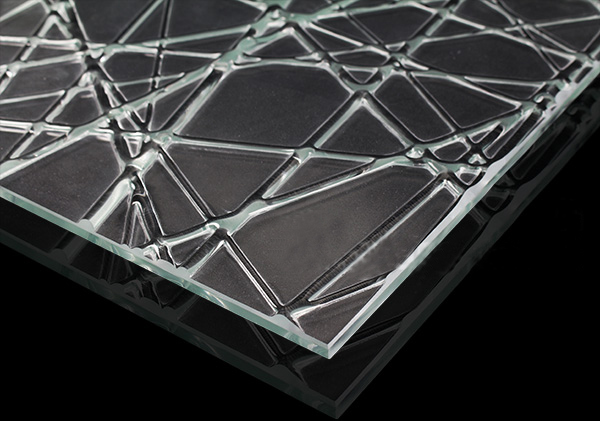
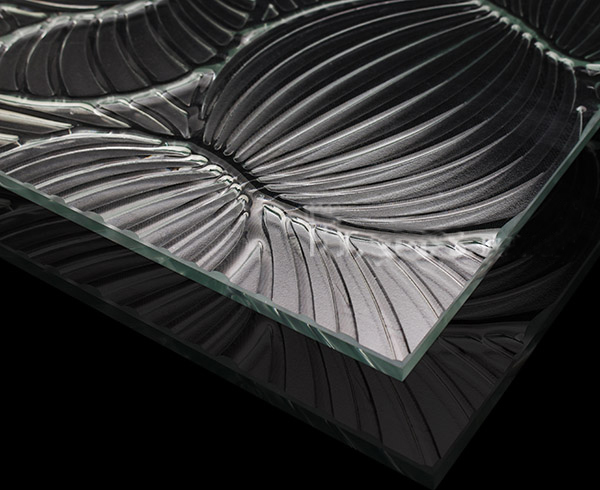
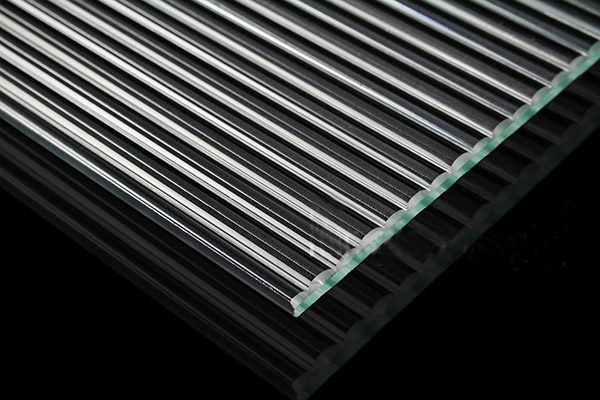
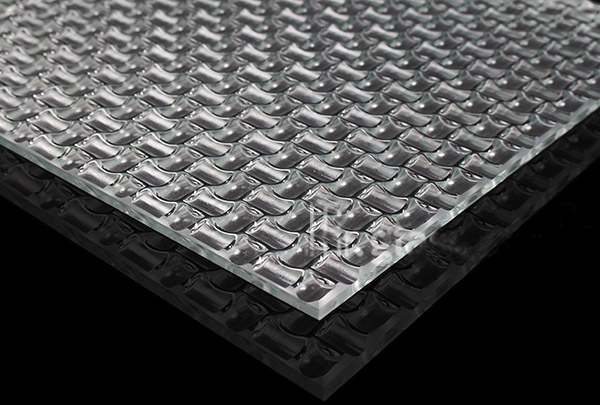
In many architectural and interior projects, textured glass is used not only for visibility but also for controlling light and privacy. Designers, contractors, and consultants often need a solution that allows natural light to pass through while reducing direct visibility between spaces.
Decorative textured glass is a practical option for this purpose. With patterned surfaces, textured glass diffuses light softly and adds visual depth to interiors. It helps create spaces that feel open while still offering a level of privacy, making it a preferred choice in both residential and commercial projects.
How Textured Glass Improves Interior Spaces
Textured glass has a patterned surface that changes how light passes through the material. Instead of clear visibility, light is scattered, creating a softer and more comfortable effect.
Compared with clear glass, textured glass reduces direct visibility while still allowing light transmission. Compared with frosted glass, it offers more variation in patterns and a stronger design presence. This makes textured glass not only functional but also a decorative element.
From a project perspective, textured glass offers several practical benefits:
It allows natural light while reducing visibility
It creates a soft and diffused lighting effect
It adds visual texture without additional materials
It fits well with modern, classic, and industrial design styles
Because of these advantages, textured glass is widely specified in projects where both performance and aesthetics are important.
Where Textured Glass Is Commonly Used
In real projects, decorative textured glass is used across a wide range of interior applications.
For commercial spaces, textured glass is often used in office partitions, meeting rooms, and internal doors. It helps divide spaces while maintaining brightness and openness.
In residential projects, textured glass is commonly used in bathroom windows, shower screens, cabinet doors, and decorative panels. It provides privacy while still allowing light to enter, which is especially important in smaller spaces.
Textured glass is also increasingly used as a design feature in feature walls, sliding doors, and custom panels. Different textured glass patterns can create different visual effects, allowing designers to match materials with the overall interior concept.
Key Points for Specification
When selecting textured glass for a project, several factors should be considered at the design stage.
Different textured glass patterns provide different levels of privacy. Heavier textures reduce visibility more, while lighter textures allow more transparency. Choosing the right pattern is important based on the function of the space.
Glass thickness and processing are also key considerations. For safety applications, tempered textured glass or laminated textured glass may be required depending on local regulations.
Installation methods should also be planned in advance. Whether the textured glass is used in frames, partitions, or doors, proper coordination between design, fabrication, and installation ensures better results.
Working with a reliable supplier helps ensure consistent pattern quality, accurate sizing, and stable production for project needs.
Conclusion
Decorative textured glass is a flexible and practical material for modern interiors. It combines light diffusion, privacy, and design in one solution.
For contractors, consultants, and designers, textured glass provides an effective way to improve both function and appearance in a wide range of architectural and interior applications.