

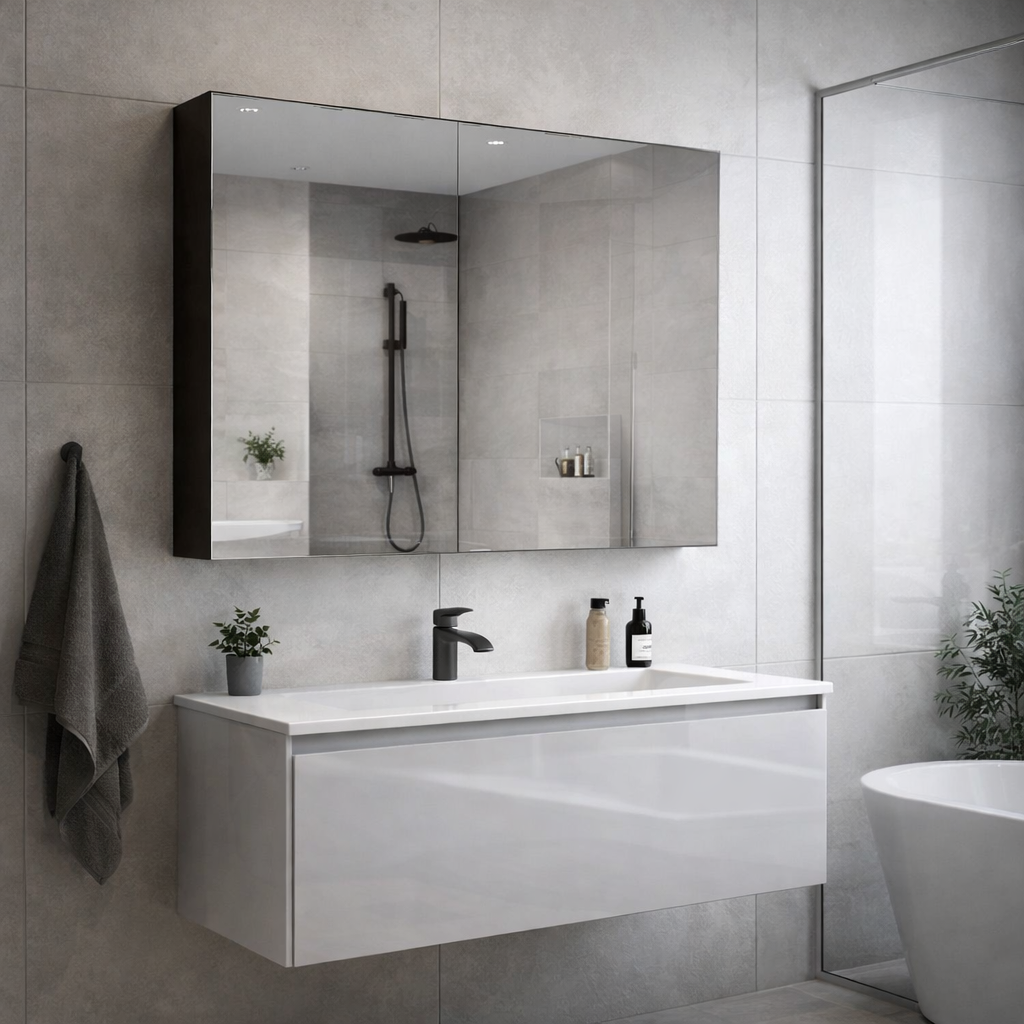
In modern bathroom projects, storage is no longer just about adding cabinets. Project teams now focus more on how to use space well and how to improve daily use. Contractors, consultants, and developers need solutions that fit the layout and match the overall design.
Standard medicine cabinets often cannot meet these needs. They come in fixed sizes and basic layouts. This can create problems during installation. It may also affect the final look of the space.
Custom medicine cabinets offer a more flexible solution. Project teams can design them based on real project conditions. This helps improve both function and appearance. It also makes the final result more professional.
For B2B buyers, custom cabinets are not only about design. They are also about better space use, easier installation, and long-term value.
How Custom Cabinets Improve Project Value
Custom medicine cabinets help project teams use wall space more efficiently. Instead of changing the design to fit standard products, teams design the cabinet to match the available space.
This is very useful in projects with limited or irregular wall space. Custom cabinets help reduce gaps and avoid wasted space. They also make the installation cleaner and more accurate.
Custom cabinets also improve internal storage. Designers can plan the inside layout based on real use. This helps users store items more easily and keep the space organized.
When teams plan storage well, users can find items faster. This improves daily use in both residential and commercial projects.
From a design point of view, custom cabinets give more control. Project teams can match the cabinet with mirrors, vanities, and other bathroom elements. This helps create a clean and consistent look.
For these reasons, many project teams choose custom medicine cabinets to achieve better function and a more consistent design.
What Can Be Customized
Custom medicine cabinets offer flexibility in many areas. Project teams can adjust different parts of the product to match project needs.
Project teams adjust size and dimensions to fit the wall space. This helps the cabinet match both small and large areas without wasting space.
Designers plan the internal layout based on storage needs. They add adjustable shelves, drawers, and separate compartments to improve organization. This makes it easier to store different items such as daily products, cosmetics, and cleaning supplies.
Project teams select materials and finishes to match the project style. They choose aluminum, glass, or other materials based on design requirements. Different finishes help match modern, classic, or minimalist interiors.
Project teams also add functional features. These may include LED lighting, mirrored doors, defogging systems, and touch switches. These features improve usability and make the cabinet more practical.
In addition, project teams focus on durability and safety. They choose high-quality materials and stable structures. This helps ensure long-term use, especially in humid bathroom environments.
Custom solutions can also meet special needs. Designers can adjust height, handle design, or opening methods to make the cabinet easier to use for different users.
Where Custom Medicine Cabinets Are Used
Project teams use custom medicine cabinets in many types of projects.
In hotel projects, designers install them in bathrooms to provide both storage and mirror functions. Custom designs help match the overall room style and improve user experience.
In residential projects, developers use custom cabinets in apartments and houses. They improve storage and make daily use more convenient. Different layouts can meet different user needs.
In commercial projects such as offices, shopping centers, and public buildings, project teams use custom cabinets to keep bathroom spaces clean and well organized. They also support long-term use with better durability.
Custom medicine cabinets work well in both small and large projects. Project teams design them based on different needs and layouts. This flexibility makes them suitable for many types of applications.
Installation and Project Planning
Installation is another important factor in project use. Project teams can design custom cabinets to match different installation methods.
Wall-mounted cabinets are common in many projects. They save space and create a simple look. Project teams often use this type in hotels and apartments.
Installers place recessed cabinets inside the wall to create a cleaner finish. This design gives a more integrated and modern appearance.
Surface-mounted cabinets are easier to install and are suitable for renovation projects.
Project teams should plan installation early. This includes checking wall structure, power supply, and space requirements. Early planning helps avoid problems during construction.
Working with an experienced supplier can help ensure accurate production and smooth installation. This is important for large projects with tight schedules.
Cost and Long-Term Value
Custom medicine cabinets may have a higher initial cost than standard products. However, they often provide better long-term value.
Custom designs reduce the need for changes during installation. This helps save labor cost and time. Better materials and construction also reduce maintenance and replacement costs.
In commercial and residential projects, better storage and design can improve user satisfaction. This is important for developers and property owners.
For B2B buyers, it is important to look at total project value, not just product cost.
Conclusion
Custom medicine cabinets offer a flexible and practical solution for modern bathroom projects. They help project teams improve space use, storage, and design consistency.
Contractors, consultants, and developers use custom cabinets to achieve better results. They provide more options than standard products and help create a cleaner and more functional space.
For long-term projects, custom medicine cabinets are a reliable choice that supports both performance and design.