

In modern architectural projects, glass is not only used for light and visibility. Designers and project teams also use glass to create visual impact and define the character of a space. Architects, consultants, and contractors choose decorative glass to make a project more attractive and improve the overall design.
Tiffany stained glass offers a unique solution for this purpose. It combines handcrafted detail with functional performance. Skilled workers assemble colored glass pieces into patterns, creating a visual effect that standard glass cannot achieve.
For B2B projects, Tiffany stained glass is more than decoration. It is a design element that adds identity, color, and value to both interior and exterior spaces. It helps project teams create spaces that feel more unique and memorable.
Why Tiffany Stained Glass Works in Design Projects
Tiffany stained glass is known for its handcrafted process. Skilled workers cut and assemble glass pieces into patterns using metal joints. This process creates detailed designs with strong visual depth.
One of the key advantages of Tiffany stained glass is design flexibility. Project teams can adjust patterns, colors, and sizes based on project needs. This allows designers to match different styles, from classic to modern.
Compared with standard decorative glass, Tiffany stained glass provides a stronger visual effect. It introduces color into the space while still allowing light to pass through. This creates a balance between decoration and function.
From a project perspective, Tiffany stained glass offers several benefits:
It adds color and visual interest to architectural spaces
It allows natural light while creating decorative effects
It supports design flexibility for different project styles
It creates a unique feature that standard glass cannot provide
Project teams choose Tiffany stained glass when they want to create a clear and strong design style in a project. It helps buildings stand out and creates a more memorable environment.
Another important advantage is durability. High-quality stained glass panels can perform well for long-term use. With proper installation, they can maintain their appearance and structure for many years. This is important for projects that require long service life.
In addition, stained glass does not require complex maintenance. Regular cleaning is usually enough to keep the surface in good condition. This makes it suitable for both residential and commercial projects.
Where Tiffany Stained Glass Is Commonly Used
Project teams use Tiffany stained glass in many types of architectural applications. It works well in both interior and exterior environments.
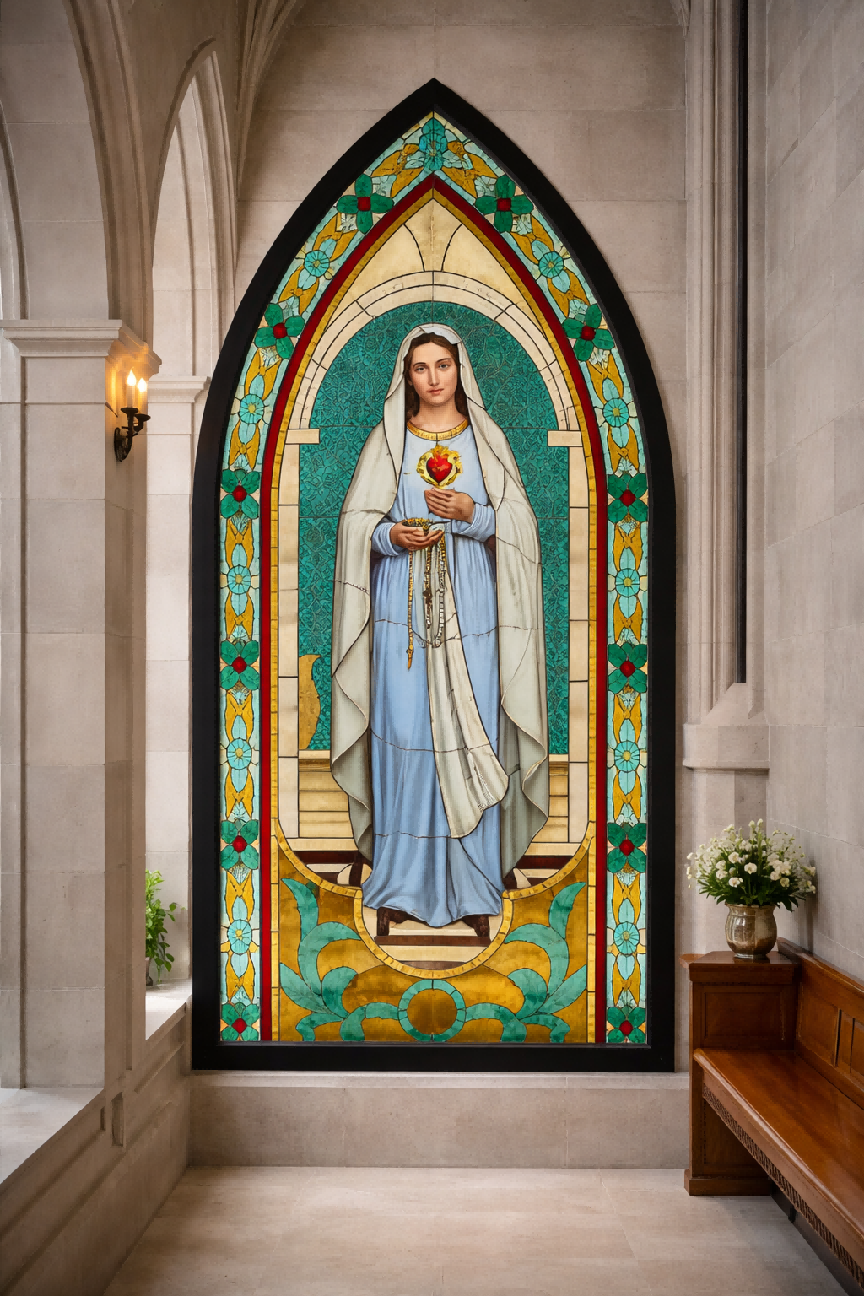
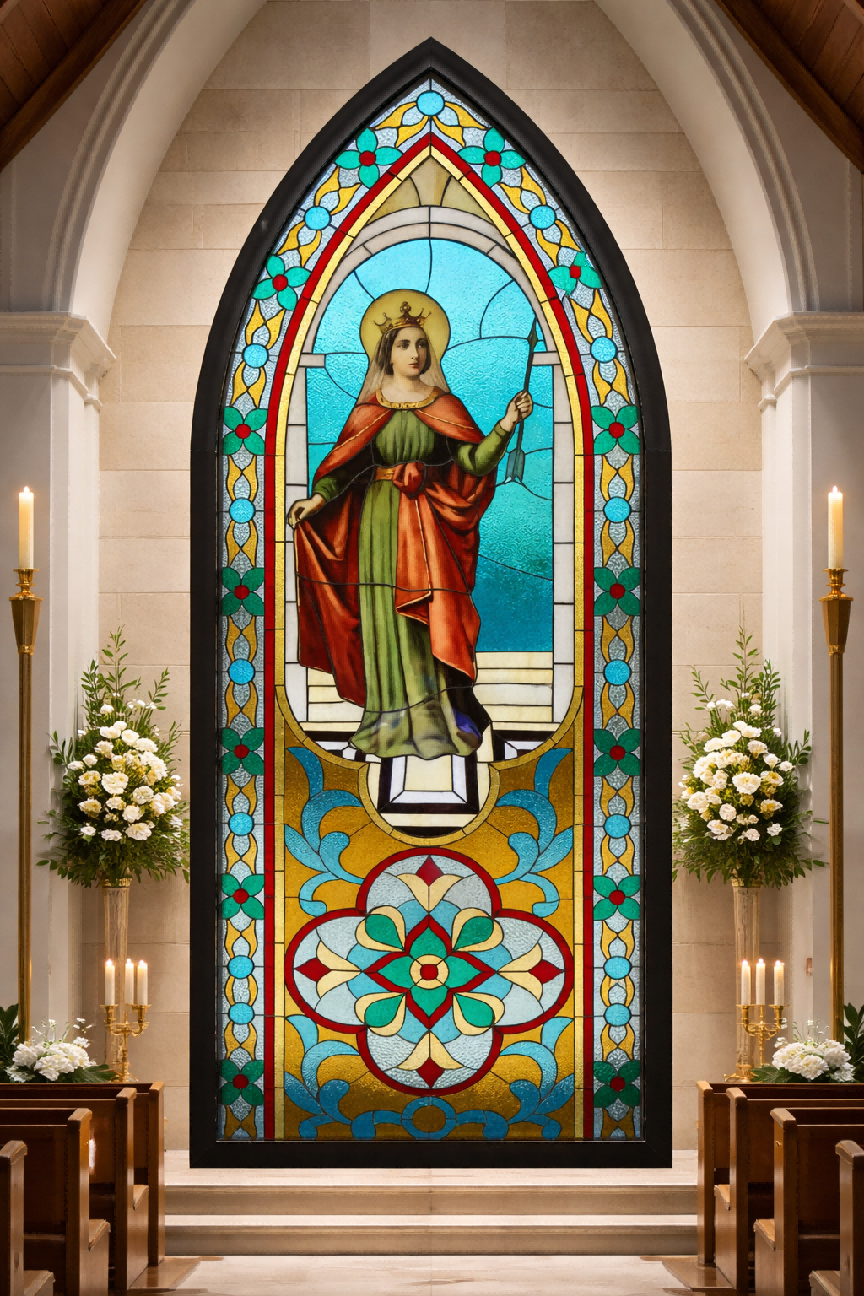
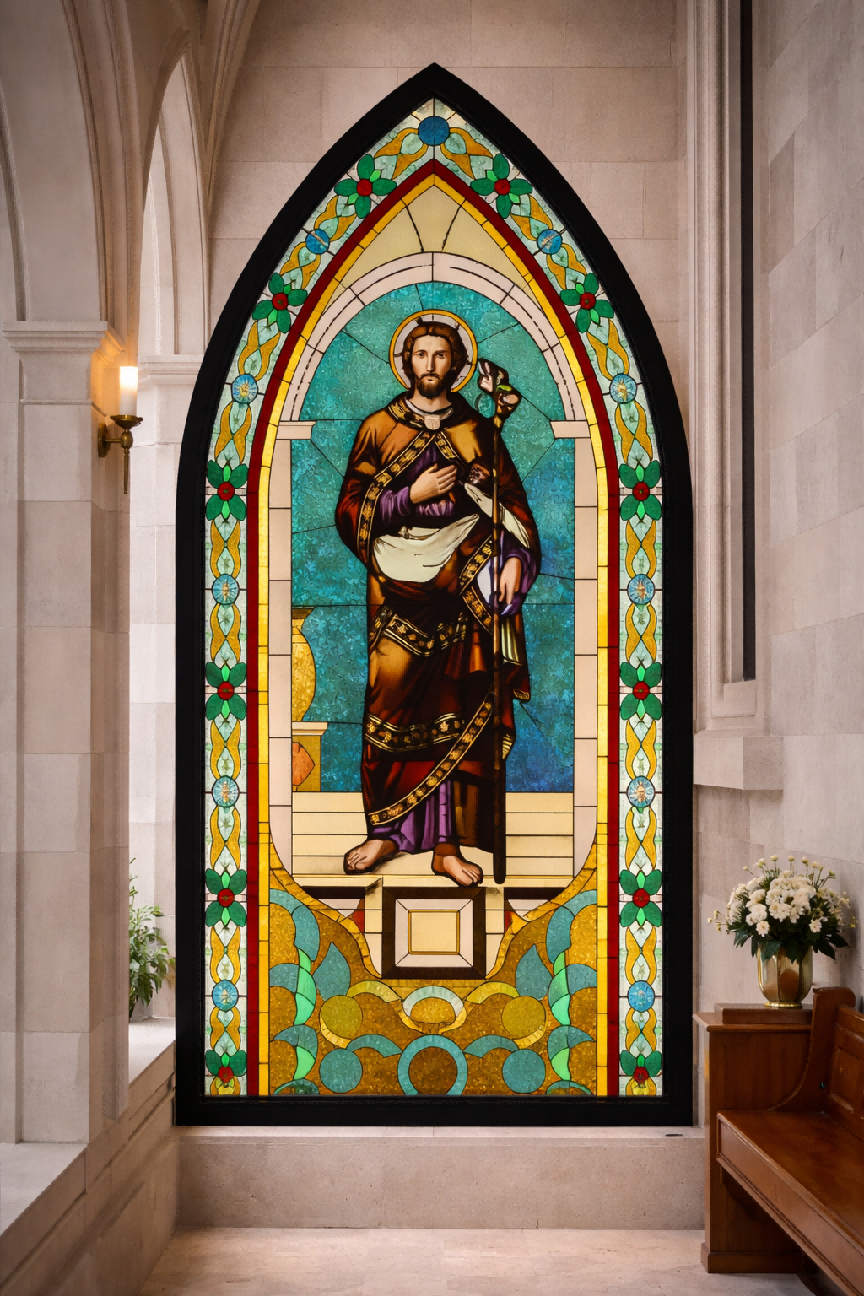
In religious buildings, designers use stained glass for windows, doors, and decorative panels. It helps create a traditional and symbolic atmosphere. Light passing through colored glass adds depth and emotion to the space.
In residential projects, especially high-end villas, designers install Tiffany stained glass in windows, doors, and feature panels. It adds elegance and creates a refined interior environment. Designers also use it in partitions and decorative wall elements to improve the visual effect of the space.
In commercial projects, such as hotels, restaurants, and retail spaces, stained glass helps create strong design features. Designers place it in entrances, partitions, or feature walls to attract attention and improve brand image. Designers also use it in public areas to create a unique atmosphere.
Project teams also use Tiffany stained glass in custom design projects. These include lamps, partitions, ceiling panels, and artistic installations. Designers adjust each panel to fit different design needs, so it works well in many creative applications.
Tiffany stained glass fits both small design details and large architectural features. Project teams use it to create focal points or to support the overall design concept.
Design Options and Project Considerations
Design options are one of the main reasons why B2B buyers choose Tiffany stained glass. Project teams can adjust many parts of the product to match project needs.
Designers create patterns based on architectural style or branding requirements. They can choose geometric designs, classic patterns, or modern abstract styles. Color selection is also flexible, allowing designers to create different visual effects.
Project teams define the size and shape of each panel. This allows the glass to fit windows, doors, partitions, or custom installations. Custom sizing helps ensure better integration with the overall design.
Material selection is also important. High-quality glass and strong joint materials help ensure durability. The choice of materials affects both appearance and long-term performance.
When specifying Tiffany stained glass, project teams also consider installation and safety requirements. Project teams may use laminated or reinforced structures in some applications to meet building standards. This is especially important for exterior use or high-traffic areas.
Project teams communicate early with suppliers to make sure design details, production requirements, and installation methods match well. This helps reduce errors and improve project efficiency.
Performance and Long-Term Use
Tiffany stained glass is not only about design. It also offers stable performance for long-term use.
The structure of stained glass panels provides good strength when properly installed. Reinforced or laminated options can further improve safety.
The materials used in high-quality stained glass resist aging and color fading. This helps maintain the visual effect over time.
Project teams can use stained glass in both indoor and outdoor applications when they design it correctly.
Maintenance is simple. Regular cleaning helps keep the surface clear and bright. There is no need for complex maintenance systems.
For project teams, these factors help reduce long-term cost and ensure consistent performance.
Value for B2B Projects
For contractors and developers, Tiffany stained glass is not only about appearance. It also adds value to the project.
It helps create a strong design feature that improves the overall impression of the building. In commercial projects, this can support branding and customer experience.
In residential projects, stained glass can increase perceived value. Buyers often see decorative glass as a premium feature. This can help developers position their projects at a higher level.
Because it allows flexible design choices, project teams can control both cost and design. This makes it a practical solution for different project budgets.
Tiffany stained glass also helps projects stand out in competitive markets. Unique design elements can make a project more attractive to end users.
Conclusion
Tiffany stained glass offers a practical and design-focused solution for modern architectural projects. It combines handcrafted detail, color, and durability in one material.
Architects, consultants, and contractors use it to create distinctive spaces that stand out. It also provides flexibility in design and application.
In both residential and commercial projects, Tiffany stained glass improves visual impact while maintaining functionality. It is a reliable choice for projects that require both design quality and long-term performance.